
Convenience of Quick Commerce

Hello friends,
From emergency medical supplies to daily essentials from the extreme corners of the city, quick commerce is spreading smiles by offering whatever you require within minutes.
Market Dynamics:-
Let us dive into a few data points to understand about the market of Q-Commerce:-
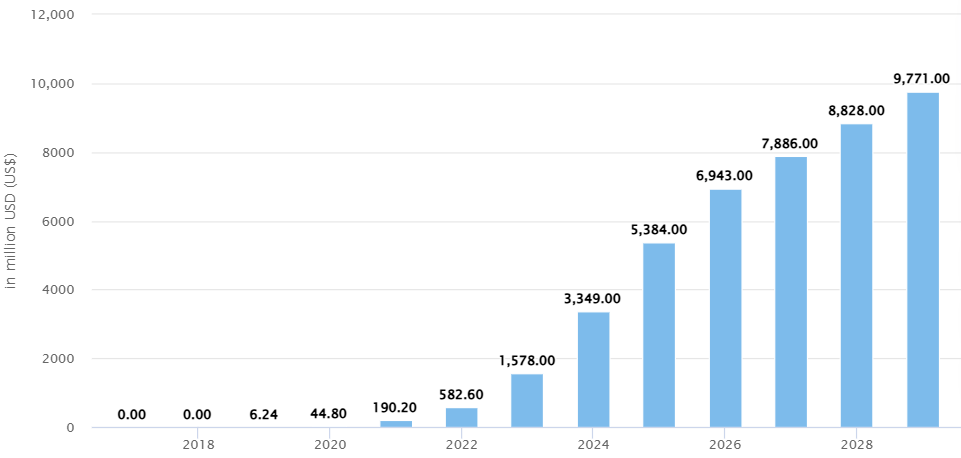
The Quick Commerce market in India is forecasted to generate a revenue of US$5,384.00m in 2025 at a CAGR (2025-2029) of 16.07%, leading to a projected market volume of US$9,771.00m by 2029.
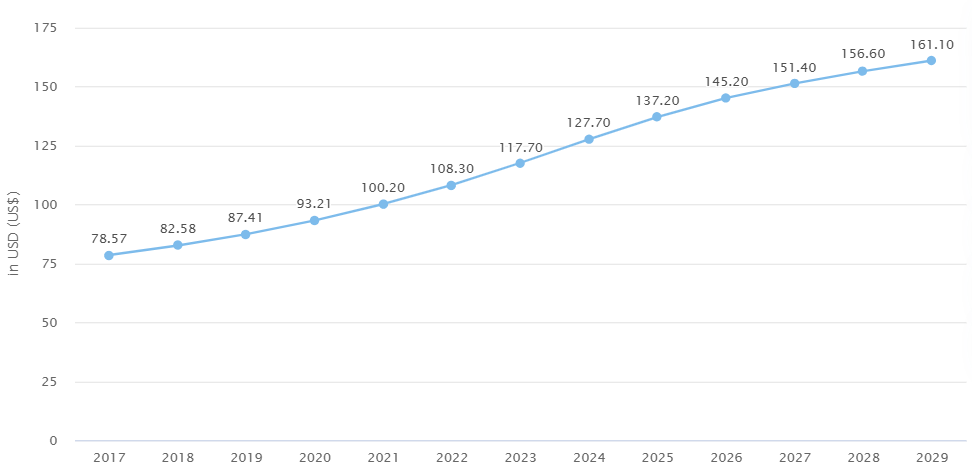
The average revenue per user (ARPU) is estimated to be $137.20 by 2025 and reach $161.10 by 2029.
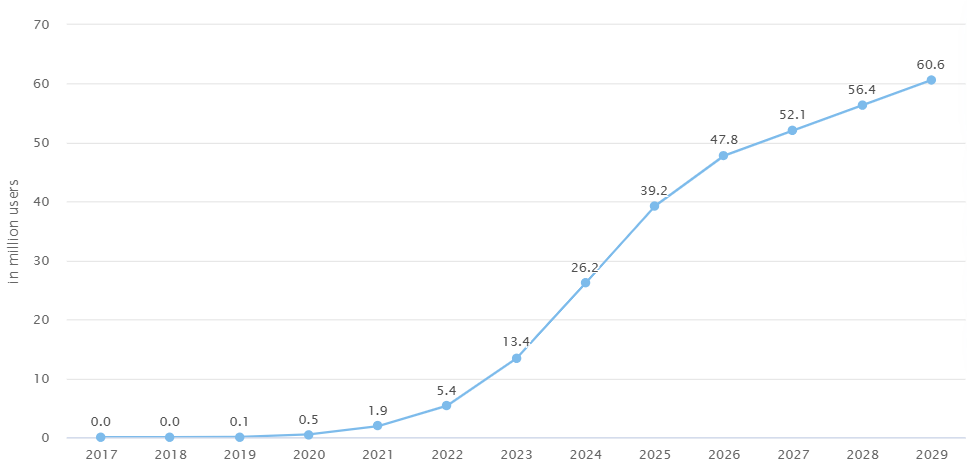
The number of users in the Quick Commerce market in India is anticipated to reach 60.6m by 2029.
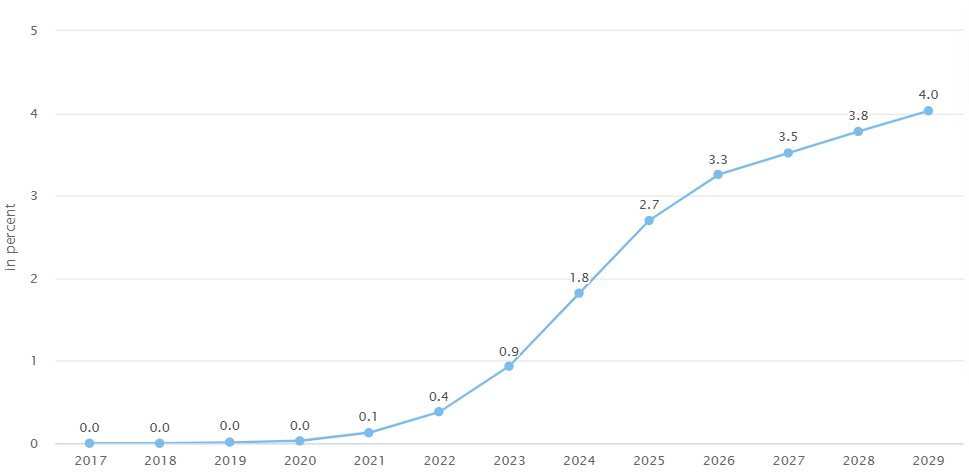
The user penetration rate, which currently stands at 2.7% in 2025, is projected to rise to 4.0% by 2029.
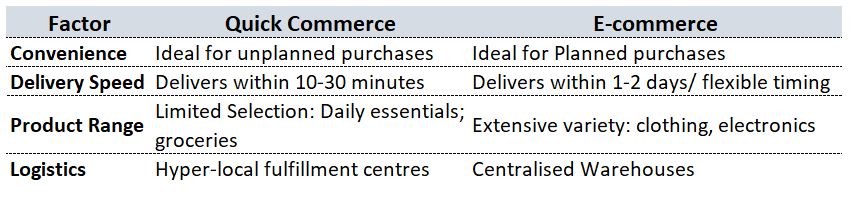
How does Quick Commerce differ from E-commerce?
Let us look at the table below & understand the key differences:-
What has accelerated the growth of the Quick-commerce market?
Changing customer preferences : Convenience, urbanization, and busy lifestyles have altered consumer buying behavior.
Favorable Government Policies: Promotion of digital payment methods through UPI and Rupay by the government, Open Network for Digital Commerce (ONDC) to bring smaller vendors onto the internet, and Bharatnet initiative to improve broadband penetration, especially in rural areas.
Increased penetration of smartphones: As per the IAMAI and Kantar Research report, the number of users will touch 900 million by 2025. Notably, nearly 50% of the transactions were done over a mobile application.
Technological Advancements:- Progress in technology in the logistics field like optimum route planning, location tracking and efficient supply chain delivery enables Q-Commerce firms to deliver orders on time.
Challenges of Quick-commerce:-
Logistical Complexity: Ensuring ultra-fast delivery in densely populated urban areas requires planning and execution. Maintaining a balance between speed and efficiency is a constant challenge.
High Operational Costs: Dark stores, technology infrastructure, and delivery personnel result in high operational expenses.
Supply Chain Vulnerabilities: Disruptions in the supply chain, such as inventory shortages can significantly impact customer satisfaction.
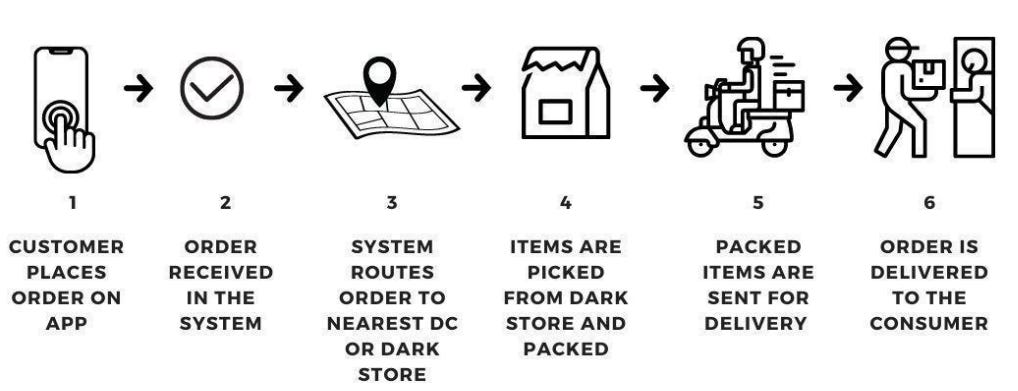
Operational Model of Q-Commerce
The business model involves the operation of dark stores or micro fulfillment centers which are strategically located closer to the consumers for rapid order fulfillment. Both upstream coordination of the dark stores with distribution centers and downstream coordination with the delivery logistics team are required to fulfill the order within the required time. Historical customer data analysis and real-time data capturing help in the prediction of order volume or high demand.
Now let us look at what is happening in the Indian quick-commerce space.
PhonePe has entered the e-commerce space: After exiting the government-backed Open Network for Digital Commerce (ONDC) last year, PhonePe’s e-commerce venture, “Pincode” has fully pivoted to the quick commerce model with 15-minute delivery. It has partnered with Kiranas and modern retail stores instead of operating through dark stores.
Walmart-owned e-commerce firm Flipkart has entered the quick-commerce race with a service called “Minutes” in response to the huge demand for quick commerce services. Additionally, the co-founder of Dunzo; Kabeer Biswas has joined Flipkart’s E-commerce venture “Minutes”.
Amazon India is set to enter the E-commerce space with “ Tez”. This move positions Amazon against major players like Blinkit and Zepto in a rapidly growing sector.
Dunzo, a hyperlocal delivery platform backed by Reliance Retail faced financial difficulties, competition from rivals, and operational cutbacks, leading to legal issues and platform shutdown despite significant funding.
Zomato has introduced the 15-minute delivery feature showcasing quick-to-prepare and ready-to-eat meals from select restaurants.
Quick commerce platform Blinkit has officially launched Bistro, their new standalone 10-minute food delivery app.
Swiggy has launched a standalone app “Snacc” for 15-minute food delivery. This is in contrast to Swiggy’s Bolt service, through which the firm offers rapid food delivery from restaurants. Snacc sells fast food, prepared meals and beverages. The offering is similar to Blinkit’s Bistro and Zepto Café.
Zomato’s “Everyday” was launched to offer home-style inexpensive meals from centralized kitchens in a 15-20-minute delivery timeline.
NRAI claimed that quick food delivery apps Bistro and Swiggy’s Snacc could harm Zomato and Swiggy’s restaurant partners since their focus will shift to private labels instead of aggregating restaurant offerings. In response to this, the CEO of Blinkit clarified that Bistro shall be independently managed. The same shall not be launched on Zomato’s App to compete with other restaurant partners.
For me, what’s most exciting about Q-commerce is how it reflects the changing dynamics of consumer habits - convenience, speed, and technology working in synchronization to make the life of consumers better and simplified.
I hope you enjoyed reading. See you soon.